Year-Round Pond Care Programs
Professional Pond Management Services: Transform Your Water Garden Through Professional Pond Contractors
Specialist pond management services deliver valuable solutions for homeowners looking to enhance their water gardens. These skilled pond contractors leverage their expertise to tackle common issues like algae overgrowth and poor water clarity. With a focus on sustainable practices, they help create balanced ecosystems that support native plant and fish species. Understanding the perks and services offered by these professionals can lead to a more thriving and enjoyable outdoor space. What exactly can these services do for your pond?

How Specialist Pond Management Services Resolve Typical Pond Challenges
Several pond owners face constant challenges that can undermine the vitality and aesthetics of their aquatic environments. Prevalent issues, such as algae overgrowth, turbid water, and imbalanced ecosystems, can cause a decline in the pond's overall quality. Expert pond management services deliver personalized solutions to these problems. By conducting comprehensive assessments, practitioners can recognize the primary sources of issues and implement efficient strategies to restore balance.
For instance, they may incorporate beneficial bacteria to combat excess nutrients, thereby reducing algae blooms. Moreover, they can improve water circulation and aeration, improving clarity and overall health. Regular maintenance, such as eliminating debris and monitoring water quality, confirms that the pond remains lively and attractive. By relying on expert services, pond owners can successfully address these common challenges, ultimately elevating the beauty and sustainability of their aquatic spaces.
Advantages of Professional Pond Management Offerings
Although some pond proprietors might endeavor to oversee their aquatic habitats independently, the merits of specialized pond management assistance are often noteworthy. Expert contractors bring specialized knowledge and experience, ensuring that ponds remain healthy and vibrant. Their grasp of aquatic chemistry, pond life, and system stability facilitates detailed attention customized to particular pond demands.
Additionally, professional assistance can save time and resources, reducing the strain of ongoing maintenance. They implement state-of-the-art technology and equipment that can effectively resolve problems such as algae buildup, nutritional imbalances, and non-native species. This not only improves the beauty of the pond but also enhances the habitat for fish and wildlife.
In addition, the extended cost-effectiveness of professional maintenance often exceeds the initial investment, as properly maintained ponds need fewer repairs and interventions. Overall, engaging professional pond management services can substantially enhance the satisfaction and sustainability of water gardens.
Vital Services Rendered by Qualified Pond Contractors
Expert pond contractors provide a range of vital services that guarantee the health and longevity of aquatic environments. These professionals begin with thorough assessments, analyzing water quality, ecosystem balance, and existing flora and fauna. They offer personalized solutions, including pond cleaning, which involves the removal of debris and algae to sustain a pristine environment.
In addition, expert contractors deploy effective filtration and aeration systems, maintaining proper oxygen levels for aquatic life. They also provide habitat enhancement services, such as introducing native plants and fish species that promote biodiversity. Regular maintenance programs, including water testing and nutrient management, are vital to eliminate issues like algae blooms.
In addition, pond contractors may design and install water features or landscaping elements, elevating the aesthetic appeal of the pond. In general, these crucial services support a thriving aquatic ecosystem, transforming water gardens into environmentally-friendly and delightful spaces for all.
Discovering the Top Pond Management Services
How can one identify the finest pond management services out there? To locate a reputable provider, individuals should begin by investigating local businesses with favorable reviews and testimonials. Requesting recommendations from acquaintances or online forums can also offer valuable insights. A comprehensive evaluation of the firm's credentials is essential; this includes confirming for certifications, licenses, and insurance coverage.
In addition, prospective clients should investigate the variety of services offered, as comprehensive management usually includes water testing procedures, ecosystem maintenance, and seasonal care. A strong focus on environmentally friendly practices is a further marker of a quality service provider.
Conducting interviews with possible contractors can help assess their expertise and approach to pond management. Lastly, evaluating quotes while considering the quality of service offered ensures that one selects a provider that aligns with budgetary constraints without compromising on expertise. By following these steps, individuals can confidently select the best pond management services for their needs.
The Necessity of Regular Pond Maintenance
Regular pond maintenance is vital for preserving the health and aesthetics of aquatic ecosystems. By consistently inspecting and maintaining ponds, owners can stop issues such as algae overgrowth, which can cause oxygen depletion and harm fish and plant life. Routine tasks, including clearing debris, monitoring water levels, and monitoring water quality, provide a balanced environment for aquatic species.
Additionally, regular maintenance enables you to spot potential problems early, permitting timely interventions that can preserve both time and resources. This proactive approach reduces costly repairs linked to neglect, such as the need for major cleanouts or equipment replacements.
Establishing a reliable habitat not only elevates the appearance of the pond but also fosters biodiversity. Consequently, regular maintenance is not only a chore; it is a vital investment in the longevity and vitality of the water garden, guaranteeing that it remains a vibrant ecosystem for years to come.
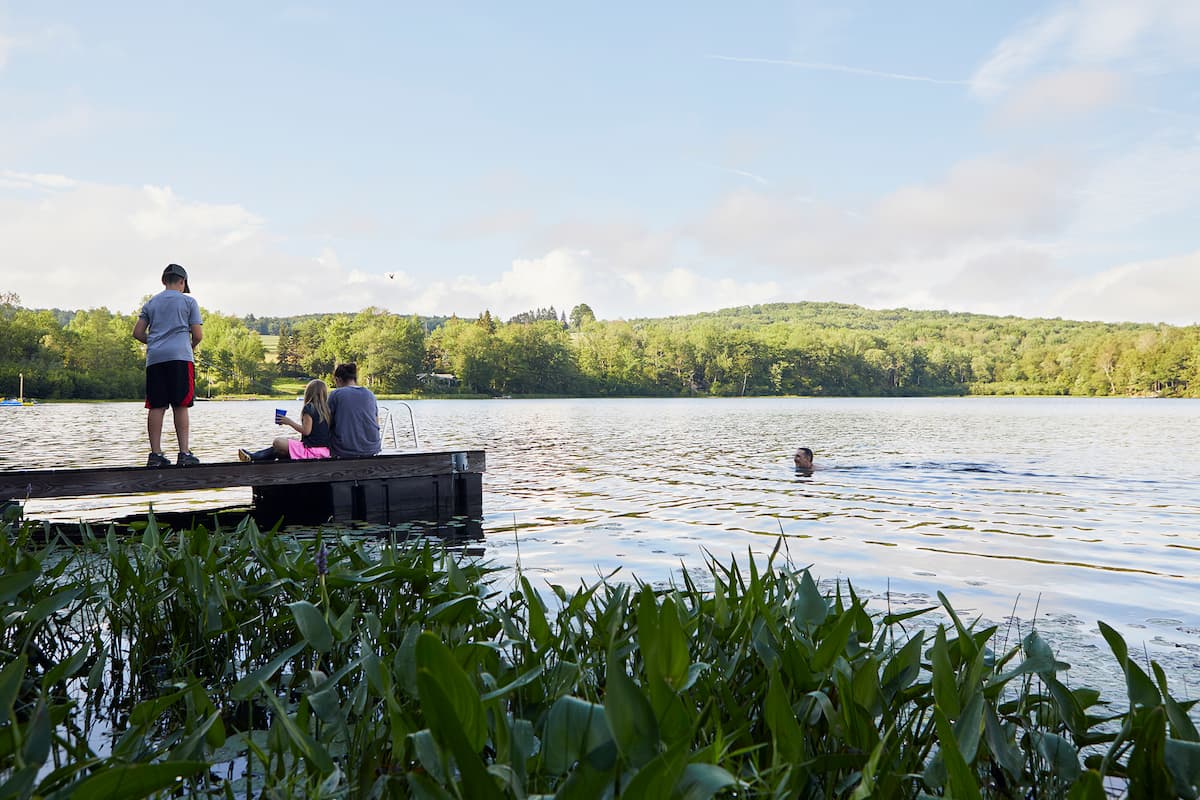
Enhancing Your Water Garden Using Aquatic Plants
Improving a water garden with aquatic plants can substantially improve its aesthetic appeal and ecological balance. Selecting appropriate plants adapted to the specific environment is crucial for guaranteeing their health and longevity. Moreover, regular maintenance practices can promote flourishing growth and a thriving aquatic habitat.
Picking Suitable Aquatic Plants
While setting up a water garden, choosing suitable aquatic plants is essential for creating a balanced and visually appealing ecosystem. The choice of plants should consider the specific conditions of the pond, such as sunlight, water depth, and climate. Shoreline plants, like cattails and rushes, beautify the shoreline, while floating plants, like water lilies and lotus, deliver shade and minimize algae growth. Submerged plants, including anacharis and hornwort, oxygenate the water and give habitat for aquatic life. It is vital to pick native species, as they acclimate well to local environments and support regional wildlife. A diverse selection of plants not only improves the pond but also supports its overall health and stability.
Tips for Health Maintenance
To preserve a healthy water garden, it is crucial to implement steady care and management practices for aquatic plants. Routinely evaluate water quality, securing ideal pH and nutrient levels, as these factors substantially impact plant health. Routine pruning of overgrown foliage enhances air circulation and light penetration, helping both plants and aquatic life. Additionally, controlling algae growth through effective measures, such as introducing beneficial bacteria or using natural herbicides, is critical. Fertilizing aquatic plants with specialized formulations can improve growth and vibrancy. Furthermore, seasonal adjustments, such as removing dead plant material in fall, help sustain balance. Hiring professional pond contractors can further confirm that maintenance practices align with best management standards, leading to a thriving, picturesque water garden.
Establishing and Preserving a Balanced Ecosystem in Your Pond
Creating and maintaining a balanced ecosystem in a pond is essential for fostering biodiversity and ensuring the health of aquatic life. A well-balanced pond is built upon a harmonious interaction between flora and fauna, where plants supply oxygen and shelter while fish and other organisms contribute to nutrient cycling. Regular monitoring of water quality parameters, such as pH, ammonia, and nitrate levels, is vital to maintain appropriate conditions for aquatic species.
Integrating native plants can boost biodiversity, delivering habitat and food sources for various organisms. Additionally, reducing chemical input and using natural filtration methods can help preserve water quality. Introducing beneficial microorganisms can help with breaking down organic matter, thereby reducing harmful algae growth. Regular pond maintenance, including debris removal and aeration, further enhances ecosystem stability. By prioritizing these practices, pond owners can foster a vibrant aquatic environment that thrives for years to come.
Picking the Right Fish for Your Water Garden?
Choosing the appropriate fish species is crucial for a thriving water garden. Factors such as compatibility between different fish species must be considered to provide a harmonious ecosystem. By understanding these factors, pond owners can create a vibrant aquatic environment that supports both fish health and aesthetic appeal.
Best Fish Species
Picking the right fish species for a water garden can significantly enhance both its ornamental beauty and ecological balance. Common selections include koi, goldfish, and native minnows, each adding distinctive colors and movements to the pond. Koi are renowned for their vibrant patterns and can grow quite large, making them a focal point. Goldfish, available in diverse colors and sizes, deliver a lively presence and are hardy in diverse conditions. Native minnows contribute to a balanced ecosystem, as they help control mosquito populations and provide food for larger fish. Moreover, aquatic plants can be incorporated to provide shelter for smaller fish and enhance the overall beauty of the water garden, creating a harmonious aquatic environment.
Compatibility Considerations for Fish
When establishing a balanced aquatic ecosystem, it is crucial to assess fish compatibility in a water garden. Different fish species demonstrate varying temperaments, sizes, and dietary requirements, which can considerably affect the overall health of the pond. For instance, larger fish like koi may outcompete smaller species for food, while aggressive varieties can distress or damage more docile fish. In addition, understanding the specific water requirements and temperature tolerances of each species is vital for their survival. Harmony among fish species encourages a thriving environment, reducing the likelihood of disease and ensuring optimal growth. Careful selection based on compatibility will ultimately improve the aesthetic and ecological balance of the water garden, promoting its long-term success.
How Water Quality Affects Your Pond's Health
The quality of water is essential in establishing the overall health of a pond, as it directly impacts the balance of aquatic life within. Parameters such as pH, dissolved oxygen, and nutrient levels play a major role in ecosystem stability. A balanced pH typically ranges from 6.5 to 8.5, allowing fish and plant life to thrive. Low dissolved oxygen levels can cause fish stress or even mortality, while excessive nutrients often produce algal blooms that deplete oxygen and block sunlight. Monitoring these factors is essential; poor water quality can disrupt the food chain and result in imbalances, affecting both flora and fauna. Regular testing and appropriate management strategies, such as aeration and filtration, can reduce these risks. By ensuring optimal water conditions, pond owners can foster a vibrant ecosystem, supporting healthy fish populations and diverse plant life essential for a thriving water garden.
Revolutionizing Your Outdoor Space: Real Results From Pond Management Services
Professional pond management has effectively converted backyards into breathtaking havens through the creation of elegant aquatic installations. These projects often emphasize eco-friendly solutions, elevating both aesthetics and environmental sustainability. As homeowners communicate their experiences, the impact of professional pond management becomes apparent in the flourishing environments and serene settings they cultivate.
Impressive Water Features
As homeowners seek to enhance their outdoor spaces, impressive water features have emerged as a sought-after choice for transforming backyards into tranquil retreats. Skilled pond contractors have successfully installed an array of designs, from tranquil koi ponds to enchanting waterfalls. These features not only serve as focal points but also create relaxing environments that invite relaxation and contemplation. Numerous homeowners indicate that the addition of water features has substantially elevated their outdoor living experience, bringing family and friends together. The sound of gently flowing water and the sight of vibrant aquatic life add to a harmonious atmosphere. Through expert guidance, these transformations highlight the potential of water as an enchanting element in landscape design, ultimately enhancing the overall aesthetic of residential properties.
Environmentally Friendly Solutions
Enhancing outdoor spaces with beautiful water features has created opportunities for innovative, eco-friendly solutions in backyard management. Pond management services now emphasize sustainable practices, utilizing native plant species and organic materials to create balanced ecosystems. These practices not only improve the visual appeal but also support local wildlife and enhance water quality. For instance, one homeowner transformed a stagnant pond into a vibrant habitat by introducing aquatic plants and beneficial bacteria, which reduced algae growth naturally. Furthermore, rainwater harvesting systems were implemented to maintain water levels sustainably. Success stories demonstrate the effectiveness of these eco-friendly methods, demonstrating that beautiful, functional ponds can coexist harmoniously with the environment, promoting biodiversity while providing serene spaces for relaxation and enjoyment.
Common Questions
How Much Time Is Required to See Results From Pond Management Services?
Results relevant information from pond management services generally become visible within a period of weeks to months, contingent upon the specific treatments applied and the existing conditions of the pond. Continuous monitoring guarantees progress and effectiveness.
Is Pond Management Appropriate for Small Backyard Ponds?
Professional pond management is certainly appropriate for small backyard ponds. These services can enhance water quality, promote aquatic health, and guarantee aesthetic appeal, regardless of pond size, proving them useful for any residential water feature.
What Certifications Should Professional Pond Contractors Have?
Qualified pond contractors ought to have certifications in aquatic ecosystem management, water quality control, and landscape architecture. Additionally, they can enhance their expertise with certifications in environmental compliance and safety standards to ensure effective pond maintenance practices and regulatory compliance.
What Is the Recommended Frequency for Pond Maintenance?
Standard pond maintenance should be scheduled at least four times per year. However, more frequent inspections may be required during seasonal transitions or after extreme weather events to maintain optimal water quality and ecosystem health.
Am I Able to Do Any Pond Maintenance Myself?
Independent performance of basic pond maintenance is certainly possible. Most individuals can manage tasks like removing debris, checking water levels, and monitoring fish health, though professional assistance is recommended for complex issues or extensive maintenance.